
Best Football Betting Apps (2024)
July 23, 2026
A Comprehensive Guide to TVG Horse Racing Betting
July 24, 2026
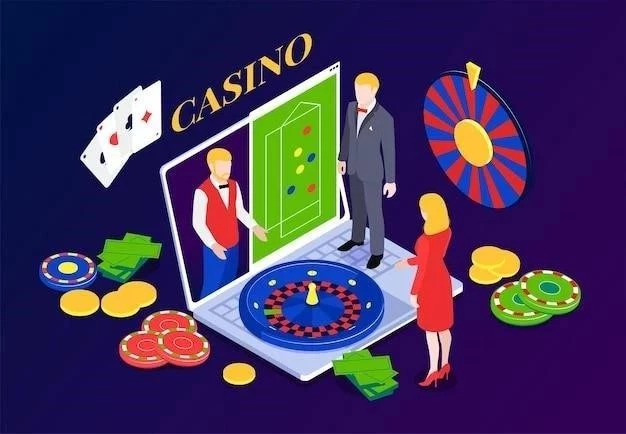
The world of online gambling is booming, and live casino games are at the forefront of this growth. This demand fuels a constant need for skilled and professional live casino dealers. But what does it take to become one? This article provides a detailed overview of live casino dealer training, covering requirements, skills, and career prospects.
What Does a Live Casino Dealer Do?
Unlike traditional online casino games run by algorithms, live casinos feature real dealers conducting games in real-time via video streaming. Dealers manage the game, interact with players, and ensure fair play. Responsibilities include:
- Dealing cards (Blackjack, Baccarat, Poker variations)
- Spinning the roulette wheel
- Managing bets and payouts
- Engaging with players through chat
- Maintaining a professional and entertaining demeanor
- Adhering to strict game rules and regulations
Training Requirements & Curriculum
Formal training is almost always required. Most reputable live casino studios (Evolution Gaming, Playtech, etc.) offer comprehensive programs. Here’s a breakdown of typical curriculum elements:
Game Rules & Procedures (40% of Training)
This is the core. You’ll learn the intricacies of each game offered – Blackjack, Roulette, Baccarat, Poker (various types), and potentially newer game show formats. Emphasis is on precise rule application, payout calculations, and handling different betting scenarios.
Dealing Techniques (20%)
Physical dexterity is crucial. Training focuses on consistent and accurate card handling, chip stacking, and wheel spinning. Practice, practice, practice is key! This includes learning proper hand movements to avoid errors and maintain game speed.
Communication & Customer Service (20%)
Dealers are the face of the casino. Training covers effective communication skills, handling player inquiries, resolving disputes politely, and creating a positive gaming experience. Chat etiquette is vital.
Casino Regulations & Compliance (10%)
Understanding gaming laws, responsible gambling practices, and anti-fraud measures is essential. This ensures fair play and protects both the casino and the players.
Technical Training (10%)
Familiarity with the live casino software, camera angles, microphone usage, and studio equipment is necessary. Troubleshooting basic technical issues is also covered.
Skills Needed to Succeed
- Mathematical Ability: Quick calculations for payouts and bets.
- Attention to Detail: Accuracy is paramount.
- Communication Skills: Clear and engaging interaction with players.
- Professionalism: Maintaining a composed and courteous demeanor.
- Stress Management: Handling pressure and fast-paced environments.
- Integrity: Upholding fairness and ethical standards.
Career Prospects & Salary
The demand for live casino dealers is strong. Salaries vary based on experience, game specialization, and the casino studio. Entry-level positions typically start around $30,000 – $40,000 per year, with potential to earn significantly more with experience and bonuses. Career progression can lead to supervisory roles or specialized game positions.
Finding Training Programs
Research reputable live casino studios directly. Evolution Gaming, Playtech, and Ezugi are major players. Some land-based casinos also offer training programs that can lead to online live dealer positions. Beware of scams – legitimate programs will have a vetting process and a clear curriculum.
Important Note: A background check is standard procedure for all live casino dealer positions.