
A State-by-State Guide to Legal Sports Betting
September 6, 2026
1xBet Casino Games: Free Play vs Real Money Options
September 7, 2026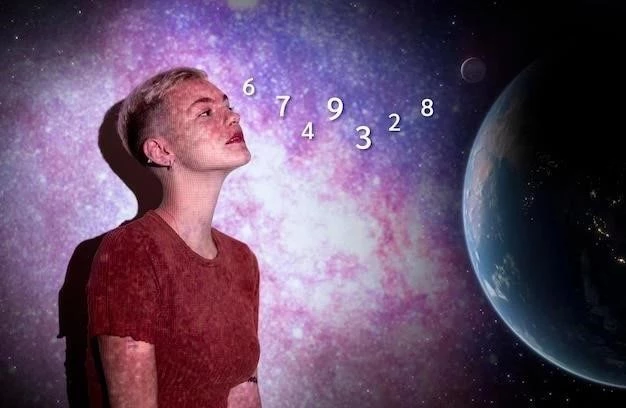
Every day, millions participate in lotteries, raffles, and number games, hoping for a life-altering win․ After the draw, a collective fascination arises – analyzing the drawn numbers․ This isn’t simply about superstition; it’s a blend of hope, pattern recognition (or the illusion of it), and a desire to understand randomness․ This article explores the common practices and psychological aspects of examining ‘last night’s numbers’․
What Numbers Were Drawn? A Quick Recap
Before diving into analysis, let’s establish the core data․ Typically, a lottery will draw a set of numbers from a defined range․ For example, a common format is 6 numbers from 1 to 49․ The specific numbers drawn last night (let’s hypothetically say 7, 14, 23, 31, 42, 48, and a Powerball of 5) become the focal point for many․ Websites, news outlets, and lottery terminals readily provide this information․ Checking these numbers is the first step․
Common Analytical Approaches
Once the numbers are known, people employ various methods, ranging from the statistically naive to the genuinely analytical (though the latter is often misapplied)․ Here are some common approaches:
- Frequency Analysis: Tracking how often each number has been drawn historically․ “Hot” numbers are those drawn frequently, while “cold” numbers are drawn less often․
- Pattern Recognition: Looking for sequences, arithmetic progressions, or other visual patterns in the drawn numbers․ (e․g․, 2, 4, 6, 8…)
- Lucky Numbers: Using personally significant numbers – birthdays, anniversaries, addresses – and checking if they matched․
- Statistical Software/Predictions: Some individuals use software claiming to predict future draws based on past data․ (These are generally considered unreliable)․
- Grouping and Odd/Even Analysis: Examining the ratio of odd to even numbers, or grouping numbers into ranges (1-10, 11-20, etc․)․
The Psychology Behind the Numbers
The human brain is wired to seek patterns, even where none exist․ This is known as apophenia․ Lottery numbers, being random, inherently lack patterns․ However, people often perceive patterns, leading to beliefs about “due” numbers or systems that will guarantee a win․ This is fueled by:
- The Gambler’s Fallacy: The belief that if a number hasn’t been drawn in a while, it’s “due” to be drawn soon․
- Confirmation Bias: Focusing on instances where a chosen system seems to work, while ignoring failures․
- Hope and Optimism: The desire to believe in a positive outcome․
Is Analyzing Last Night’s Numbers Useful?
Statistically, no․ Each lottery draw is an independent event․ Past results have no influence on future outcomes․ The odds remain the same for every draw․ However, the act of analyzing numbers can be a harmless form of entertainment for some, providing a sense of control or engagement with the game․ It’s crucial to remember that lottery participation should be viewed as a form of entertainment, not a financial strategy․
Responsible Gaming
If you find yourself spending excessive amounts of money or time on lottery games, or if it’s causing financial or emotional distress, please seek help․ Resources are available to support responsible gaming․
Ultimately, drawing numbers from last night is a fascinating glimpse into human psychology and our enduring fascination with chance․