
Checking Last Night’s Lottery Numbers
February 4, 2026Oregon’s Massive Powerball Jackpot Win
February 5, 2026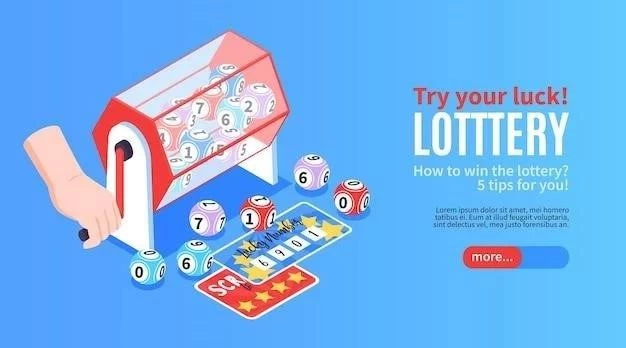
The lottery, an age-old form of gambling, has captivated human imagination for centuries. Evolving from simple raffles to sophisticated multi-jurisdictional games offering life-changing jackpots, it represents a potent blend of hope, excitement, and the dream of instant wealth. Simultaneously, lotteries serve as a significant source of public funding for various essential services. This detailed guide delves into the core aspects of lottery information, providing extensive insights into its historical roots, operational mechanics, diverse types, intricate odds, precise winning procedures, and the paramount importance of responsible play.
A Brief History of Lotteries
The concept of lotteries is deeply rooted in history. Records indicate their use in ancient civilizations; the Chinese Han Dynasty, for instance, employed Keno-like games to fund major public works, including sections of the Great Wall. In the Roman Empire, Emperor Augustus organized lotteries to finance repairs in Rome, distributing prizes of varying values. Europe saw its first recorded public lottery offering money prizes in Bruges, Belgium, in 1466. Queen Elizabeth I introduced the first English state lottery in 1569, aiming to raise funds for public works and strengthening the realm. Early American lotteries played a crucial role in funding colonial enterprises, prestigious educational institutions like Harvard and Yale, and even the Continental Army during the Revolutionary War. Despite periods of prohibition and strict regulation, lotteries have continually adapted and resurfaced, transforming into the highly regulated and globally recognized games we participate in today, primarily designed to generate revenue for state and national programs.
What is a Lottery? Understanding the Core Mechanism
At its core, a lottery is a game of chance where participants purchase numbered tickets or select numerical combinations for the opportunity to win predetermined prizes, typically substantial sums of money, but sometimes goods or services. Winners are determined by a purely random drawing of numbers, symbols, or other pre-defined criteria. Critically, funds generated from the sale of lottery tickets often serve various vital public purposes, frequently earmarked for education, infrastructure development, healthcare initiatives, and social welfare programs. This dual function positions lotteries as a unique blend of accessible public entertainment and a significant mechanism for governmental fundraising, impacting communities far beyond individual wins.
Types of Lotteries: Exploring Diverse Formats
The landscape of lotteries is remarkably diverse, offering a spectrum of formats designed to appeal to different player preferences and provide varying levels of engagement:
- Draw Games (Lotto): These are the most recognizable and popular form. Players select a specific set of numbers from a larger numerical pool (e.g., 6 numbers from 1 to 49). Prominent examples include international giants like Mega Millions, Powerball, and EuroMillions, alongside numerous national and state lotteries. Drawings are conducted on predetermined schedules (e.g., twice a week) using sophisticated mechanical or digital drawing machines to ensure randomness. Prizes are tiered, awarded based on how many numbers a player’s ticket matches with the randomly drawn winning combination, with the jackpot typically requiring a perfect match. Many draw games also offer “add-on” features (like Power Play or Megaplier) that, for an additional fee, can multiply non-jackpot winnings.
- Instant Win Games (Scratch-offs or Scratch Cards): These tickets provide immediate gratification. Players purchase a physical card and scratch off a special coating to reveal symbols, numbers, or game patterns. Winning combinations are pre-printed under the coating, allowing players to instantly determine if they’ve won a prize. These games come in a vast array of themes, price points, and prize structures, from small cash payouts to significant top prizes, offering a quick and engaging lottery experience.
- Raffles: Typically smaller in scale and often associated with charitable organizations or local events, raffles involve the sale of tickets, each bearing a unique number. A drawing is then held to determine the winner(s) of specific prizes, which can range from cash and gift baskets to vehicles or travel packages. Unlike large draw games, the prize pool is often fixed regardless of ticket sales.
- Keno: While frequently found in casinos, Keno shares strong similarities with traditional lotteries. Players select between 1 and 20 numbers (or more, depending on the game) from a pool of 80. A drawing machine then randomly selects 20 winning numbers. Payouts are determined by how many of the player’s chosen numbers match the drawn numbers, with higher matches yielding larger prizes.
How to Play: Navigating the Process
Engaging with the lottery is generally designed to be user-friendly, though specific steps can vary based on the game and your geographical location:
- Choose Your Preferred Game: Begin by deciding which type of lottery game aligns with your interests – whether it’s the allure of a colossal jackpot from a draw game or the immediate excitement of an instant win scratch-off.
- Locate an Authorized Retailer or Online Platform: Tickets are widely available from licensed retailers such as convenience stores, supermarkets, and gas stations. In an increasing number of jurisdictions, tickets for draw games can also be purchased conveniently online through official state or national lottery websites or their dedicated mobile applications. Always ensure you are purchasing from an officially sanctioned source to guarantee ticket validity.
- Select Your Numbers (for Draw Games): This is the crucial step for draw-based games:
- Quick Pick (Auto-Generated): This is the most popular and simplest option. The lottery terminal’s random number generator automatically selects your numbers for you. Many jackpot winners have come from Quick Pick tickets.
- Manual Selection (Personal Choice): You have the option to hand-pick your own numbers. Players often base these choices on significant dates (birthdays, anniversaries), perceived lucky numbers, or personal patterns. Be sure to understand the game’s rules, including the total range of numbers available and how many main numbers and supplementary numbers (e.g., Powerball, Mega Ball) you need to select.
You can typically purchase tickets for multiple upcoming draws using the same numbers, known as a “multi-draw” option.
- Confirm and Pay: Review your selections on the ticket slip or digital confirmation before payment; The retailer will print your official ticket, or you will receive a digital confirmation for online purchases.
- Safeguard Your Ticket: Immediately upon receiving your physical ticket, it is highly advisable to sign the back of it. This establishes undisputed ownership, as lottery tickets are generally “bearer instruments,” meaning whoever possesses the ticket can claim the prize. Keep it in a secure and memorable location.
- Check Your Results: For draw games, diligently compare the numbers on your ticket to the official winning numbers published after the drawing. These can be found on official lottery websites, news outlets, and at retail locations. For scratch-offs, simply complete the scratching process to reveal your outcome.
Understanding Odds and Probability: The Reality of Winning
It is paramount for players to grasp the statistical realities behind lottery games. The odds of winning a top-tier major lottery jackpot are extraordinarily high, often reaching hundreds of millions to one. For illustrative purposes, the odds of clinching the Powerball jackpot are approximately 1 in 292.2 million, while for Mega Millions, they stand at roughly 1 in 302.6 million. While these figures may appear incredibly daunting, it is important to consider several nuances:
- Tiered Prizes: Almost all major lotteries feature multiple prize tiers. The odds of winning smaller prizes (e.g., matching fewer numbers, or just the supplementary ball) are significantly more favorable, ranging from 1 in 10 to 1 in several thousand, depending on the tier. These smaller wins contribute to the overall excitement and perceived win rate.
- Independence of Draws: A fundamental principle of probability states that each lottery draw is an entirely independent event. Past results – which numbers were drawn previously, or which ones haven’t appeared in a while – have absolutely no bearing on future outcomes. Every single number combination has an identical and equal chance of being selected in every subsequent game. There are no “hot” or “cold” numbers in a truly random draw.
- Expected Value: From a purely mathematical and economic standpoint, the “expected value” of purchasing a single lottery ticket is almost universally negative. This implies that, on average, players can expect to lose money over the long term. Lotteries are inherently designed to generate revenue for their beneficiaries, not to provide a guaranteed return for players. The allure lies in the small chance of an immense, life-altering payout.
- Impact of Multiple Tickets: While purchasing more tickets does incrementally increase your overall chances of winning, the effect is often negligible given the vastness of the odds. For instance, buying 10 tickets instead of 1 might change your odds from 1 in 300 million to 10 in 300 million (or 1 in 30 million), which is still an extremely small probability from a practical perspective, especially for the jackpot.
Understanding these probabilities helps maintain a realistic perspective and encourages responsible play.
Winning and Claiming Prizes: Your Next Steps
Discovering you hold a winning lottery ticket is an exhilarating moment. However, the subsequent steps, particularly for large jackpots, require careful planning and execution:
- Verify Your Win with Absolute Certainty: Do not rely on casual checks. Thoroughly compare your ticket’s numbers against the official results published on the lottery’s dedicated website or by an authorized retailer. Some lotteries also have mobile apps that allow you to scan your ticket for verification.
- Secure Your Winning Ticket Impeccably: This cannot be overstated. Your signed winning ticket is your undeniable proof of claim. Keep it in an exceptionally safe and confidential location, such as a bank safe deposit box or a personal safe. Consider making photocopies or taking photographs of both sides of the signed ticket, though these are not substitutes for the original.
- Seek Immediate Professional Counsel (for Large Jackpots): For any substantial prize, before making any public announcement or even visiting a lottery office, it is imperative to consult with a reputable financial advisor, an experienced tax attorney, and potentially a wealth manager. These professionals can provide invaluable guidance on tax implications (federal, state, and local), investment strategies for sudden wealth, estate planning, and potential legal considerations that arise from significant financial windfalls. They can also help you navigate the process of claiming anonymously if your state allows it.
- Understanding Prize Claiming Procedures:
- Smaller Prizes (e.g., up to a few hundred or thousand dollars): These can typically be claimed relatively easily at most authorized lottery retailers. The retailer will verify the ticket and pay out the prize directly from their till.
- Medium-Sized Prizes (e.g., several thousand to tens of thousands of dollars): These often require a visit to a district lottery office or submission of a claim form by mail. You will usually need to provide identification such as a driver’s license.
- Large Jackpots (Multi-Millions): Claiming a major jackpot almost always necessitates a personal visit to the state or national lottery headquarters. This process involves extensive paperwork, verification of identity, and often a waiting period. You will likely be asked to select your payout option at this stage.
- Lump Sum vs. Annuity: Navigating Payout Options: For multi-million dollar jackpots, winners are typically presented with two primary payout choices:
- Lump Sum (Cash Option): This is a single, immediate payment of a reduced amount, representing the current “cash value” of the jackpot. This cash value is always less than the advertised annuity jackpot because it accounts for the present value of money. This option provides immediate access to a large sum but is subject to immediate taxation on the entire amount.
- Annuity: This option involves spreading the full advertised jackpot amount into a series of annual payments over a defined period, typically 20, 25, or 30 years. The lottery invests the cash value, and the annual payments, plus interest, make up the full advertised jackpot. This provides a steady, long-term income stream and defers taxes on future payments, potentially placing the winner in lower tax brackets over time. The choice between these two options is deeply personal and should be made in consultation with financial and tax experts.
- Taxation on Winnings: Lottery winnings are considered taxable income. In the United States, federal income tax is levied on all winnings above a certain threshold, and often state and local taxes apply as well, depending on your jurisdiction. A portion of the winnings is typically withheld by the lottery before the prize is paid out, but winners should anticipate owing additional taxes when filing their annual returns. Tax laws can be complex and vary significantly, highlighting the need for professional tax advice.
- Anonymity and Public Disclosure: This is a critical consideration for new lottery millionaires. Some states and jurisdictions permit lottery winners to remain entirely anonymous, safeguarding their privacy and security. However, many states mandate public disclosure of winners’ names, hometowns, and prize amounts as a matter of transparency and public trust. Understanding your state’s specific laws regarding anonymity is crucial before claiming your prize, as it can significantly impact your post-win life.
Responsible Play: A Foundation for Enjoyment
While the lottery offers thrilling entertainment and the captivating dream of immense wealth, it is absolutely vital to approach it with a mindset of responsibility. Lottery participation should always be viewed as a form of entertainment, not as a viable financial strategy, a source of income, or a solution to existing monetary difficulties. Adhering to responsible play principles ensures that the experience remains enjoyable and does not lead to adverse consequences.
- Establish a Strict Budget: The most fundamental rule of responsible gambling is to only spend what you can comfortably afford to lose. Designate a specific, non-essential portion of your entertainment budget for lottery tickets, and never exceed it. Consider it an entertainment expense, similar to going to the movies or buying a coffee.
- Avoid Chasing Losses: Never attempt to recover money previously spent on lottery tickets by purchasing more. This behavior is a significant red flag for problem gambling and can quickly lead to escalating financial distress.
- Recognize the Signs of Problem Gambling: Be acutely aware of the warning signs that lottery play might be becoming problematic. These can include spending more money or time than initially intended, feeling an uncontrollable urge to gamble, neglecting personal responsibilities or relationships due to gambling, borrowing money to gamble, or experiencing feelings of guilt or anxiety related to your lottery play.
- Seek Help and Utilize Resources: If you, or someone you know, struggles with controlling gambling habits, numerous professional resources and support networks are readily available. These include national problem gambling helplines (e.g., 1-800-GAMBLER in the U.S.), state-specific support services, and organizations like Gamblers Anonymous. Most official lottery websites also provide direct links and information for responsible gaming resources. Many jurisdictions offer self-exclusion programs that allow individuals to voluntarily ban themselves from participating in lottery games for a specified period.
- Maintain a Healthy Perspective: Remember that the lottery is a game of extreme chance. The focus should be on the enjoyment of participation and the occasional small win, rather than an expectation of winning the jackpot.
Common Misconceptions and Clarifications
Several persistent myths surround lottery play, often fueled by misunderstanding of probability and human psychology:
- “Hot” and “Cold” Numbers: The belief that certain numbers are “due” to be drawn because they haven’t appeared recently (“cold”) or are more likely to appear because they’ve been drawn frequently (“hot”) is a fallacy. As previously emphasized, each draw is an independent event, and the machine has no memory of past results. The probability of any specific number being drawn remains constant for every single draw.
- Lottery Syndicates Guarantee Wins: While pooling money with a group (a syndicate) to purchase a larger quantity of tickets does increase the group’s collective chance of winning a prize, it does not guarantee a win, especially not the jackpot. Furthermore, any winnings must be divided among all syndicate members, thereby diluting individual payouts. It’s crucial for syndicates to have a clear, written agreement outlining contributions, prize distribution, and management to prevent disputes.
- Buying More Tickets Dramatically Boosts Odds: While mathematically true that buying more tickets incrementally improves your odds, the scale of this improvement is often vastly overestimated by players. For a jackpot with odds of 1 in 300 million, buying 10 tickets instead of 1 only changes your odds to 10 in 300 million. This is still an astronomically small probability, far from a “dramatic” increase that warrants excessive spending.
- Lucky Stores: The idea that certain retail locations are “luckier” because they’ve sold winning tickets before is simply a correlation, not causation. A store that sells more tickets will, by sheer volume, sell more winning tickets. The location itself has no magical influence on the random draw.
Where to Find Official and Reliable Lottery Information
For the most accurate, current, and trustworthy information regarding specific lottery games, drawing results, official rules and regulations, prize structures, and comprehensive responsible gaming resources, it is paramount to always refer directly to official sources:
- Official State or National Lottery Websites: These are the definitive sources for game rules, drawing schedules, past results, unclaimed prizes, and links to responsible gambling support. Examples include Powerball.com, MegaMillions.com, and the specific lottery commission websites for your state or country.
- Authorized Lottery Retailers: Reputable retailers will have up-to-date information, official result printouts, and often brochures explaining game rules.
- Official Lottery Mobile Applications: Many lotteries offer dedicated apps that provide results, allow ticket scanning for wins, and offer secure online ticket purchasing in permitted regions.