

The Slots Roguelike A Genre Fusion
February 12, 2026
Lottery for Today Your Guide to Daily Numbers and Draws
February 12, 2026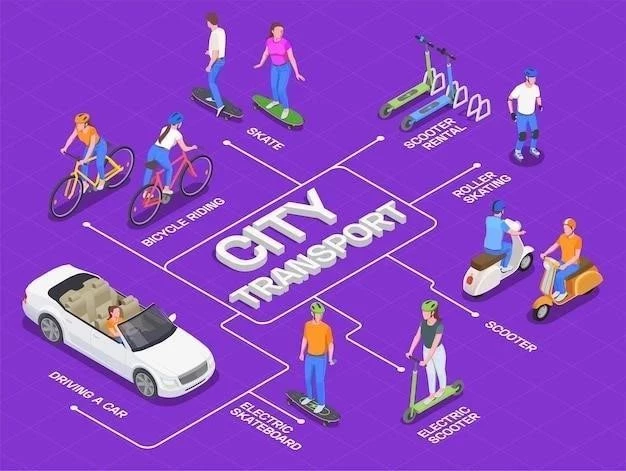
The Future of Urban Mobility
The future of urban mobility demands a radical transformation of city transit, employing smart systems to manage every available space, ensuring efficient, equitable movement for all people.
Electric Vehicles and Charging Infrastructure
The widespread adoption of electric vehicles is fundamental to reshaping urban mobility, demanding robust, intelligently managed charging infrastructure. This encompasses not just private cars but electric public transport, delivery fleets, and diverse micro-mobility options, all requiring seamless power access. The concept of “all slots” for charging implies a comprehensive approach to resource allocation and utilization, optimizing every available space. This includes dedicated public charging hubs, smart residential solutions, integrated workplace stations, and dynamic on-street points. Advanced grid management ensures efficient load distribution from surging EVs. Smart charging technologies, like vehicle-to-grid (V2G) capabilities, transform EVs into active energy ecosystem participants, consuming and supplying power. Strategic placement of ultra-fast chargers in urban arteries and commercial zones minimizes range anxiety, maximizing convenience. Planning for “all slots” also anticipates future needs, such as battery swapping stations for specific vehicle types and inductive charging pads embedded in roadways for in-motion replenishment. This holistic strategy ensures every electric vehicle, regardless of size or purpose, readily accesses required energy, turning every potential parking or waiting spot into a productive charging opportunity. It fosters an ubiquitous, accessible, and highly efficient network supporting the full spectrum of electric transport, making the transition to sustainable urban living effortlessly convenient.
Autonomous Transportation Systems
Autonomous transportation systems redefine urban logistics by intelligently utilizing every available “slot” within the city’s infrastructure. This includes not only road space but also parking facilities, pick-up/drop-off zones, and even designated routes for autonomous delivery bots. Self-driving vehicles, from individual cars to large public shuttles, will operate with unparalleled precision, optimizing traffic flow and minimizing congestion. Through advanced AI and real-time data analysis, these systems will dynamically allocate time slots for intersection crossings and lane usage, ensuring seamless movement. The concept of “all slots” extends to automated parking structures where vehicles autonomously find and occupy spaces, maximizing capacity. Furthermore, shared autonomous vehicle (SAV) fleets will reduce the number of privately owned cars, freeing up valuable urban land currently used for parking. Sensor networks embedded throughout the city will communicate with autonomous fleets, directing them to the most efficient paths and available “slots,” whether it’s an empty lane or a specific loading bay. This intelligent orchestration transforms urban environments into highly efficient, self-managing ecosystems, drastically improving accessibility and reducing travel times. The goal is to eliminate wasted space and time, making every segment of the urban transport network productive and responsive to real-time demands. Autonomous systems promise a future where urban movement is continuous, smart, and optimized for maximum throughput.
Micro-Mobility Solutions and Public Transit Integration
Micro-mobility solutions, like shared bicycles and electric scooters, are crucial for filling the “all slots” concept in urban travel by addressing first and last-mile challenges. These nimble options utilize specific urban slots: dedicated bike lanes, widespread docking stations, and flexible parking zones near transit hubs. Integrating these with public transit means meticulously coordinating schedules and physical infrastructure to ensure smooth transitions. Digital platforms will display real-time availability of micro-mobility options at bus stops and train stations, guiding users to the nearest available scooter or bike “slot.” This seamless connection maximizes the utility of existing public transport networks, extending their reach without requiring massive infrastructure overhauls. For instance, a commuter might take a train, then pick up an an e-scooter from a designated “slot” outside the station to complete their journey. Conversely, micro-mobility can bring users from residential areas to major transit arteries. The strategy focuses on optimizing every segment of a journey, ensuring no time or space “slot” is wasted. It involves intelligent management of docking station capacity, rebalancing fleets based on demand patterns, and prioritizing safe routes for these smaller vehicles. By treating public transit and micro-mobility as interconnected components, cities can unlock greater efficiency, reduce private car dependence, and make urban mobility more accessible and sustainable, utilizing every conceivable transport pathway and point of access to its fullest potential. This holistic approach ensures comprehensive coverage across the urban landscape.
Implementing Sustainable Urban Futures
Implementing Sustainable Urban Futures demands a comprehensive, integrated approach where every available “slot” or opportunity within a city’s framework is utilized for environmental, social, and economic betterment. This involves meticulous urban planning that prioritizes green spaces, efficient land use, and resilient infrastructure development. Cities must leverage data analytics to identify underutilized areas – “empty slots” – for new sustainable initiatives, such as vertical farms, community gardens, or renewable energy installations. Policy frameworks need to be designed to encourage circular economies, waste reduction, and sustainable consumption patterns, ensuring that regulatory “slots” support ecological goals. Citizen engagement is paramount, turning every individual and community “slot” into an active participant in sustainability efforts through educational programs and participatory planning. Investment strategies must align financial “slots” with green technologies and infrastructure projects, fostering innovation and job creation in eco-friendly sectors. Furthermore, cross-sector collaboration fills collaboration “slots,” bringing together government, private industry, academia, and non-profits to co-create solutions. The goal is to design cities where sustainability is not an add-on, but an inherent quality integrated into every facet of urban life, from energy grids to water management, creating a resilient, equitable, and thriving environment for all inhabitants. This holistic vision ensures that every element of the urban fabric contributes to a greener tomorrow.