
Ohio Lottery Jackpot Games A Comprehensive Guide
February 19, 2026567 Slots All Exploring the Bound Boundless Universe of Online Slots
February 20, 2026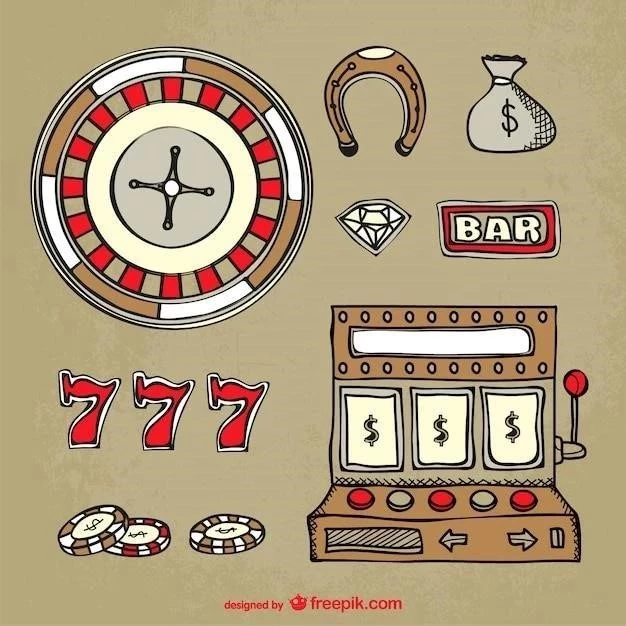
The allure of slot machines extends far beyond the casino floor; it permeates pop culture, game design, and the world of visual art. “Slots drawing” encompasses the artistic endeavor of illustrating, designing, and rendering these iconic gambling devices. Whether for concept art, game development, personal projects, or simply as a creative exercise, drawing slot machines offers a unique blend of mechanical aesthetics, vibrant themes, and intricate detailing. This article delves into the fascinating world of depicting slot machines through art, exploring their visual components, the creative process, and tips for aspiring artists.
The Allure of Slot Machines in Art
Artists are drawn to slot machines for various reasons, making them a popular subject across different creative fields:
- Game Design & Prototyping: For video game developers, drawing slot machines is fundamental. It’s the first step in conceptualizing new game mechanics, user interfaces, and visual themes for virtual slots.
- Illustration & Concept Art: Illustrators often depict slot machines in advertisements, graphic novels, or as background elements in scenes set in casinos or futuristic entertainment venues. Concept artists explore diverse visual interpretations.
- Personal Hobby & Practice: Many artists simply enjoy the challenge of rendering complex machinery combined with fantastical themes. It’s an excellent way to practice perspective, shading, and imaginative design.
Deconstructing the Slot Machine for Drawing
To effectively draw a slot machine, it’s crucial to understand its core visual components. Each element plays a role in its functionality and aesthetic appeal:
Essential Visual Elements:
- The Cabinet: This is the main body of the machine, typically a large, upright structure. It can range from classic, boxy designs with chrome accents to sleek, futuristic towers with curved edges. Consider its overall silhouette and materials like polished metal, plastic, or wood veneers.
- Reels & Symbols: The heart of the slot machine. Modern digital slots feature virtual reels, but the visual representation often mimics physical spinning reels. These display the game’s symbols (fruits, numbers, themed characters, wilds, scatters) which are central to the game’s theme. The number of reels (3, 5, or more) and the paylines are key visual considerations.
- Display Screen: For video slots, the screen is paramount. It displays the reels, winning animations, bonus rounds, and game information. Its placement, size, and the type of graphics it shows are critical.
- Control Panel: Located below the screen, this panel houses the buttons: “Spin,” “Bet Max,” “Collect,” “Auto Play,” and denomination selectors. These need to be clearly defined and ergonomically placed in your drawing.
- The Lever (Arm): A nostalgic element, predominantly found on older, mechanical “one-armed bandits.” If drawing a classic machine, this iconic pull-arm is essential, often with a spherical handle.
- Payout Mechanisms: For traditional machines, this includes the coin tray or hopper. For modern ones, a ticket printer slot is more common, where “cash-out” tickets are dispensed.
- Lighting & Sound Elements: While drawing, you can imply flashing lights, glowing buttons, or intricate LED strips that add to the machine’s excitement and visual dynamism.
The Artistic Process: How to Draw a Slot Machine
Drawing a slot machine involves a structured approach, blending technical skill with creative flair:
Conceptualization & Theme Selection
Start by deciding on a theme. Will it be a classic fruit machine, an ancient Egyptian adventure, a futuristic sci-fi saga, or a whimsical fantasy? The theme will dictate the symbols, color palette, and overall aesthetic. Sketch out initial ideas for the machine’s shape and how the theme integrates.
Basic Structure & Perspective
Begin with fundamental geometric shapes. Most slot machine cabinets can be simplified into rectangles or cuboids. Use perspective guidelines (one-point, two-point) to give your drawing depth and realism. Establish the placement of the screen, reels, and control panel within this basic structure.
Detailing the Components
Once the basic form is established, add the intricate details. Draw the individual reels, ensuring they appear cylindrical if viewed at an angle. Design the buttons on the control panel, paying attention to their shapes and labels. Include the coin tray or ticket slot, and if applicable, the iconic lever.
Designing Symbols & Backgrounds
This is where the chosen theme truly comes alive. Create unique symbols that align with your theme (e.g., pharaohs, pyramids, scarabs for an Egyptian theme; cherries, bells, bars for a classic theme). Design a background for the main display that complements the symbols and enhances the overall atmosphere.
Coloring, Shading & Effects
Apply colors according to your theme and desired mood. Use shading to give your drawing volume and form, indicating light sources and material textures (e.g., shiny chrome, matte plastic). Add highlights and shadows to make buttons glow or screens appear lit. For digital drawings, experiment with glowing effects, reflections, and subtle animations to enhance visual appeal.
Tips for Drawing Engaging Slot Art
- Reference Material: Always use reference images of real slot machines or existing slot game art. This helps in understanding proportions, typical layouts, and material appearances.
- Understand Functionality: Even if you’re not designing a working game, a basic understanding of how slot machines operate (e.g., how reels spin, where payouts occur) can inform your artistic choices and add authenticity.
- Experiment with Styles: Don’t be afraid to try different artistic styles, from highly realistic renderings to stylized, cartoonish interpretations. Each style offers unique challenges and creative opportunities.
- Focus on Theme Cohesion: Ensure that every element—from the cabinet’s color to the symbols on the reels—contributes to and reinforces your chosen theme. Consistency is key to a compelling design.
- Practice Regularly: Like any artistic skill, drawing slot machines improves with consistent practice. Experiment with different angles, themes, and levels of detail to hone your abilities.
Drawing slot machines is a rewarding artistic endeavor that combines technical drawing skills with imaginative design. It’s a journey from basic geometric shapes to intricately detailed, themed visual narratives. Whether you’re a game designer, an illustrator, or simply an enthusiast, mastering the art of slots drawing allows you to capture the excitement and iconic imagery of these captivating machines, bringing them to life on paper or screen. Embrace the challenge, explore diverse themes, and let your creativity spin into a jackpot of artistic expression.